Design & History
The story behind the world's first modern gold bullion coin, from its 1967 debut to its status as the most traded gold coin in history.
The Birth of the Modern Bullion Coin
In 1967, the South African Mint created something revolutionary: the first gold coin designed specifically for investment rather than circulation. The Krugerrand was created to market South African gold to private investors worldwide.
Before the Krugerrand, buying gold meant dealing with bars that required assaying, or collecting numismatic coins with premiums based on rarity. The Krugerrand changed everything by offering a simple proposition: one coin equals one ounce of gold.
The concept was so successful that it spawned an entire industry. The Canadian Maple Leaf (1979), American Gold Eagle (1986), and many others followed the template the Krugerrand established.
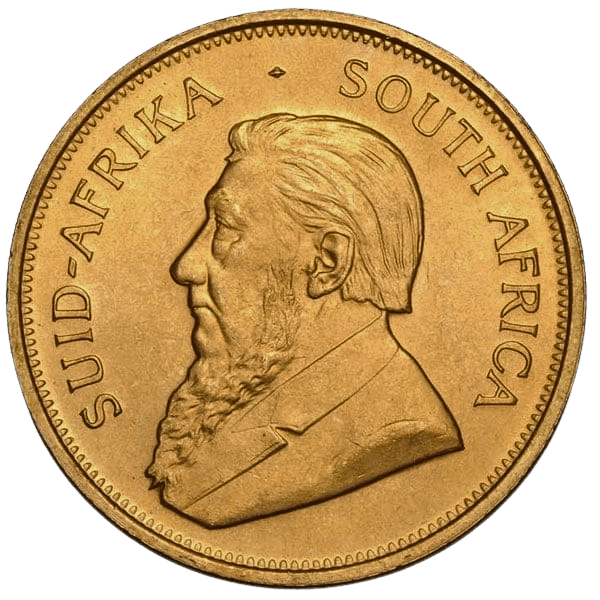
Obverse: Paul Kruger
Portrait of Paul Kruger (1825-1904), president of the South African Republic. Designed by Otto Schultz, first appearing on coinage in 1892.
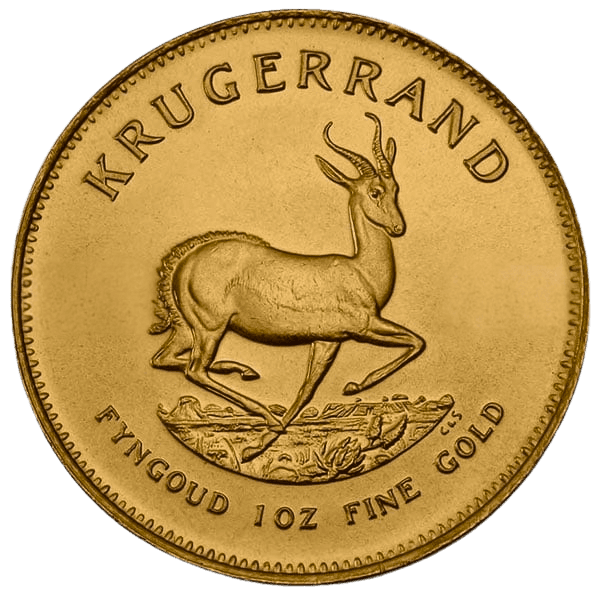
Reverse: Springbok
Springbok antelope in mid-stride, designed by sculptor Coert Steynberg. South Africa's national animal symbolizing natural heritage.
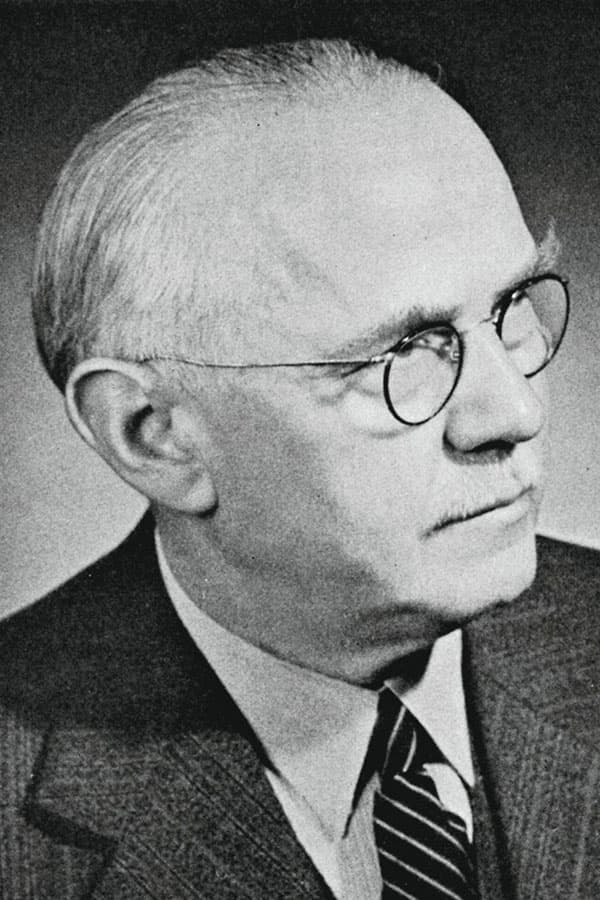
Otto Schultz
German-born engraver who created the Paul Kruger portrait in 1892. Coert Steynberg designed the Springbok reverse for the 1967 launch.
Design Details
Obverse: Paul Kruger Portrait
The obverse features Stephanus Johannes Paulus Kruger (1825-1904), who served as president of the South African Republic (Transvaal) from 1883 to 1900.
The coin's name combines “Kruger” with “Rand,” the South African currency unit (named after the Witwatersrand gold-bearing ridge).
Reverse: Springbok Antelope
The reverse depicts a Springbok in mid-stride, capturing the animal's grace and energy. Steynberg was one of South Africa's most prominent sculptors.
The reverse shows the year of minting and gold content: “FYNGOUD 1 OZ FINE GOLD” (in Afrikaans and English).
Historical Context
The Krugerrand was created during a complex period in South African history. The coin served a practical purpose: to create a legal way for private individuals worldwide to own South African gold during a time when many countries restricted private gold ownership.
In the United States, private gold ownership was restricted from 1933 until 1974. When restrictions lifted, the Krugerrand was perfectly positioned. By 1980, Krugerrands accounted for 90% of the global gold coin market.
“The Krugerrand made gold ownership simple and accessible for ordinary investors around the world.”
- Industry historians
During the apartheid era, many countries imposed sanctions that included the Krugerrand. After apartheid ended in 1994, the coin regained its international standing and remains one of the world's most popular gold coins.
Modern Production
Today, Krugerrands are produced by the South African Mint in partnership with Rand Refinery, which supplies the gold. The coin is available in multiple sizes: 1 oz, 1/2 oz, 1/4 oz, and 1/10 oz.
Over 50 Million Minted
Since 1967, more than 50 million ounces of gold have been minted as Krugerrands, making it the most widely held gold bullion coin.
Bullion & Proof
Available in both bullion (investment) and proof (collector) finishes, with special anniversary editions since 2017.
Silver Version Added
In 2017, for the 50th anniversary, the South African Mint introduced silver Krugerrands for the first time.
Ongoing Production
The South African Mint continues annual production, maintaining the Krugerrand's availability and liquidity.
What the Design Signals to Investors
For investors, the design conveys more than visual appeal:
Proven History
The unchanged design since 1967 signals stability and continuity. Investors recognize a coin that has maintained its value proposition for over 50 years.
Global Recognition
The Paul Kruger portrait and Springbok are instantly recognizable worldwide. This recognition supports liquidity and trust in transactions.
South African Gold Heritage
South Africa's history as a major gold producer lends credibility. The coin connects to the legendary Witwatersrand gold deposits.
Market Standard
As the original gold bullion coin, the Krugerrand established the standard others follow. Its design represents the template for the entire industry.
Krugerrand vs. Other Designs
Different gold coins reflect different design philosophies:
Gold Krugerrand
- • Historic Paul Kruger portrait (1892 design)
- • Springbok national symbol
- • No face value (gold-backed legal tender)
- • Distinctive orange-gold copper alloy color
- • Unchanged design since 1967
American Gold Eagle
- • Saint-Gaudens' 1907 Liberty design
- • Eagle family reverse imagery
- • $50 face value (U.S. legal tender)
- • Similar 22K alloy and color
- • Reverse redesigned in 2021
Key Dates in Krugerrand History
Gold discovered on the Witwatersrand, launching South African gold mining
Paul Kruger portrait first appears on South African coins
First Krugerrand minted, creating the modern gold bullion coin category
U.S. legalizes private gold ownership; Krugerrand sales surge
Krugerrands represent 90% of global gold coin market
Fractional sizes (1/2, 1/4, 1/10 oz) introduced
End of apartheid restores international Krugerrand trading
50th anniversary; first silver Krugerrands minted
Krugerrand remains one of the world's most popular gold coins
Related pages